
Dog Coat Care & Grooming Advice
Grooming is preventative health care for dogs. Regular grooming is good care for your dog's skin and coat.
Understanding the type of coat your dog has makes it much easier to know how to look after it.
Why coat care matters
The removal of dead hair, mats and knotted locks which pull on the skin can prevent sores, irritation and itching.
Tangled, matted coats often conceal dirt, fleas, mites and ticks.
Please visit your vet for advice about parasites before going to a groomer.
Understanding different coat types
Different coats need different types of care. These are the three broad coat types you are most likely to come across.

Wool Coats
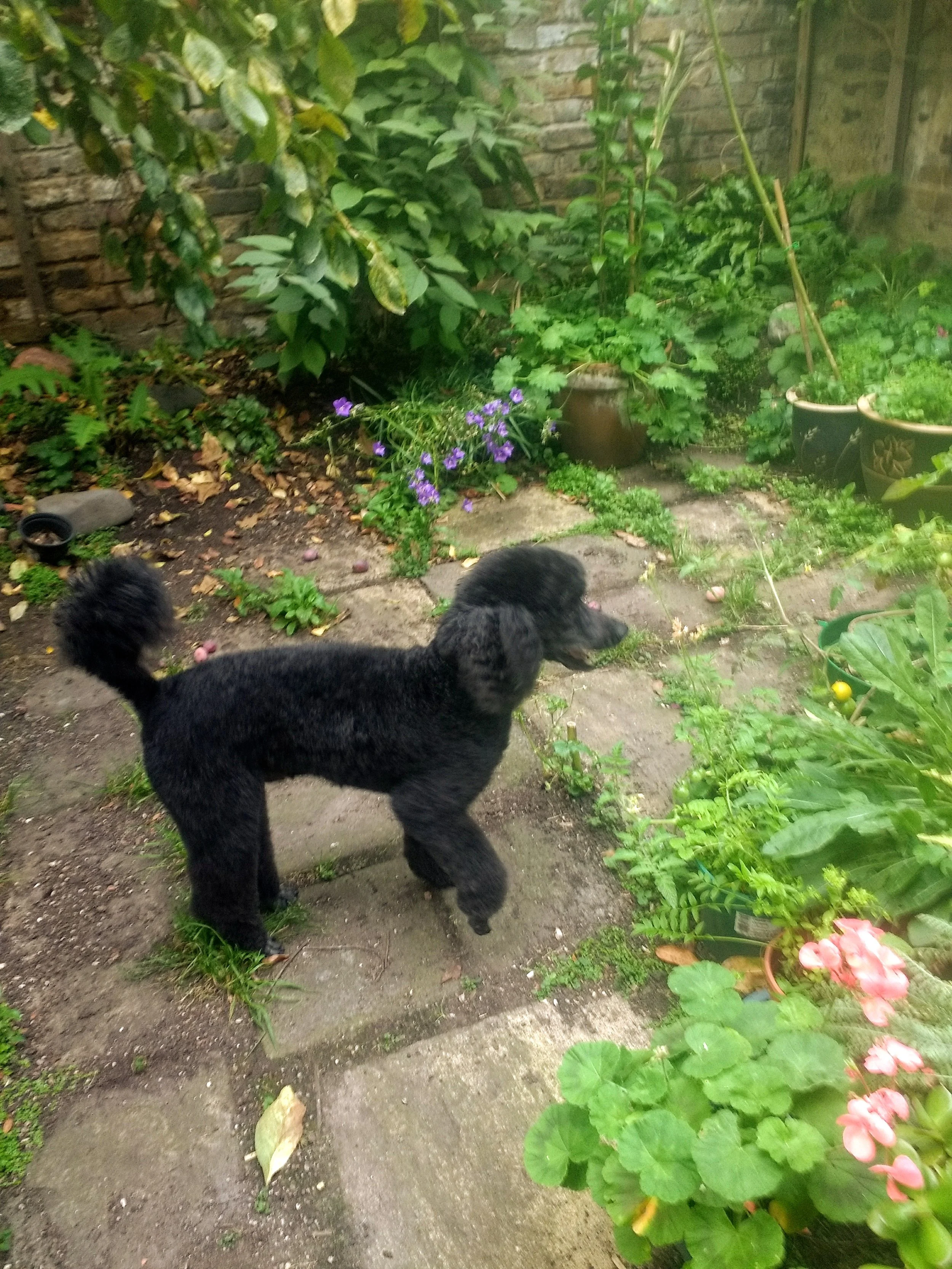
Poodles, Cockapoos, Cavapoos and other wool coated dogs need a lot of care to maintain a knot and mat-free coat, regardless of the length.
Clipping these coats changes the texture and colour of the coat over time. Scissoring has a more natural finish and helps to maintain the correct growth of the hair structure.
Wire / Double Coats
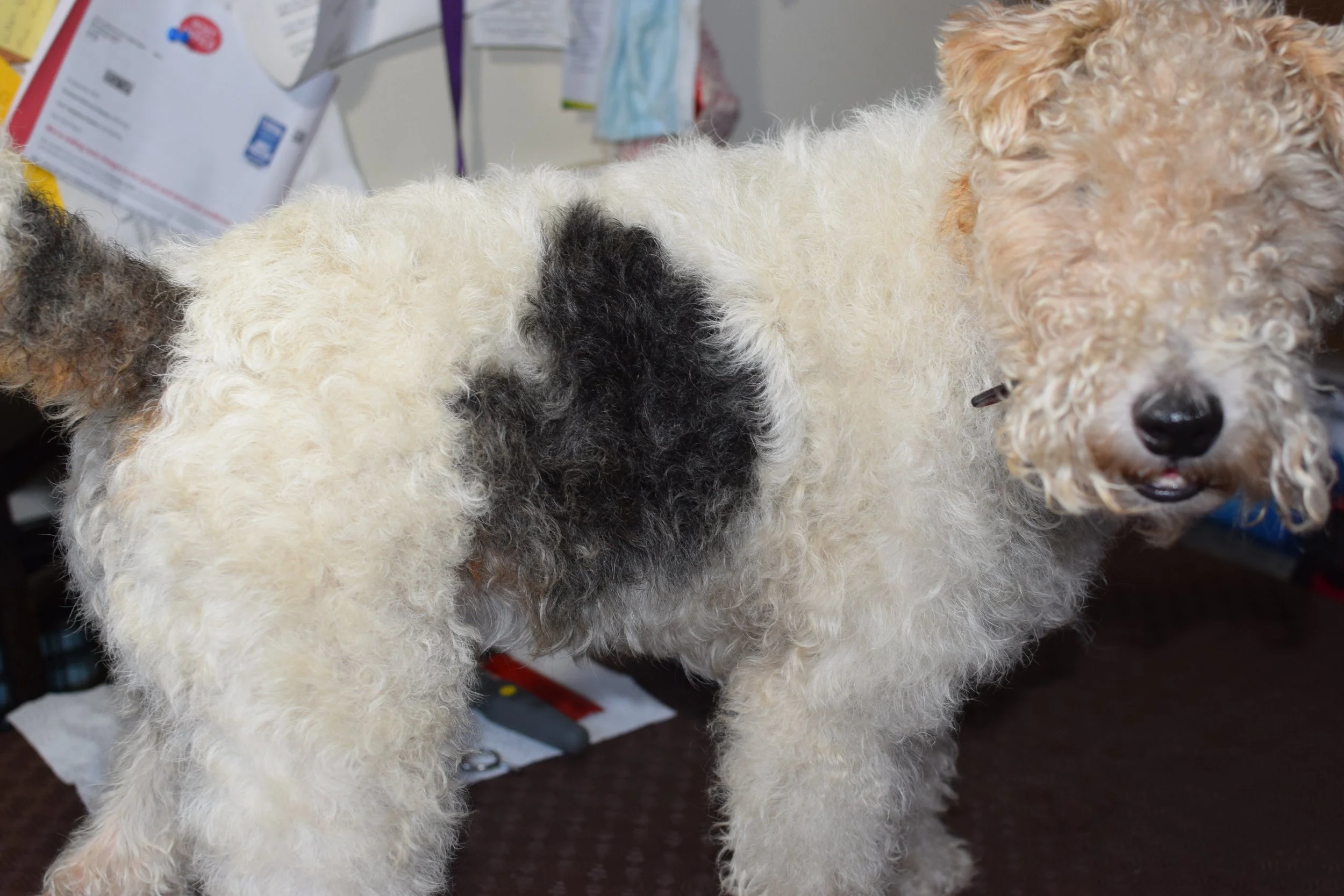
Border Terriers, Wire Fox Terriers, Airedales, Schnauzers, Wire-haired Dachshunds and some Terrier crosses have an undercoat.
These types of coats fare better when hand stripped, as you retain the undercoat, aid the correct shedding pattern for the hair and keep the texture of the hair. Clipping makes the coat soft over time.
Silky / Single Coats
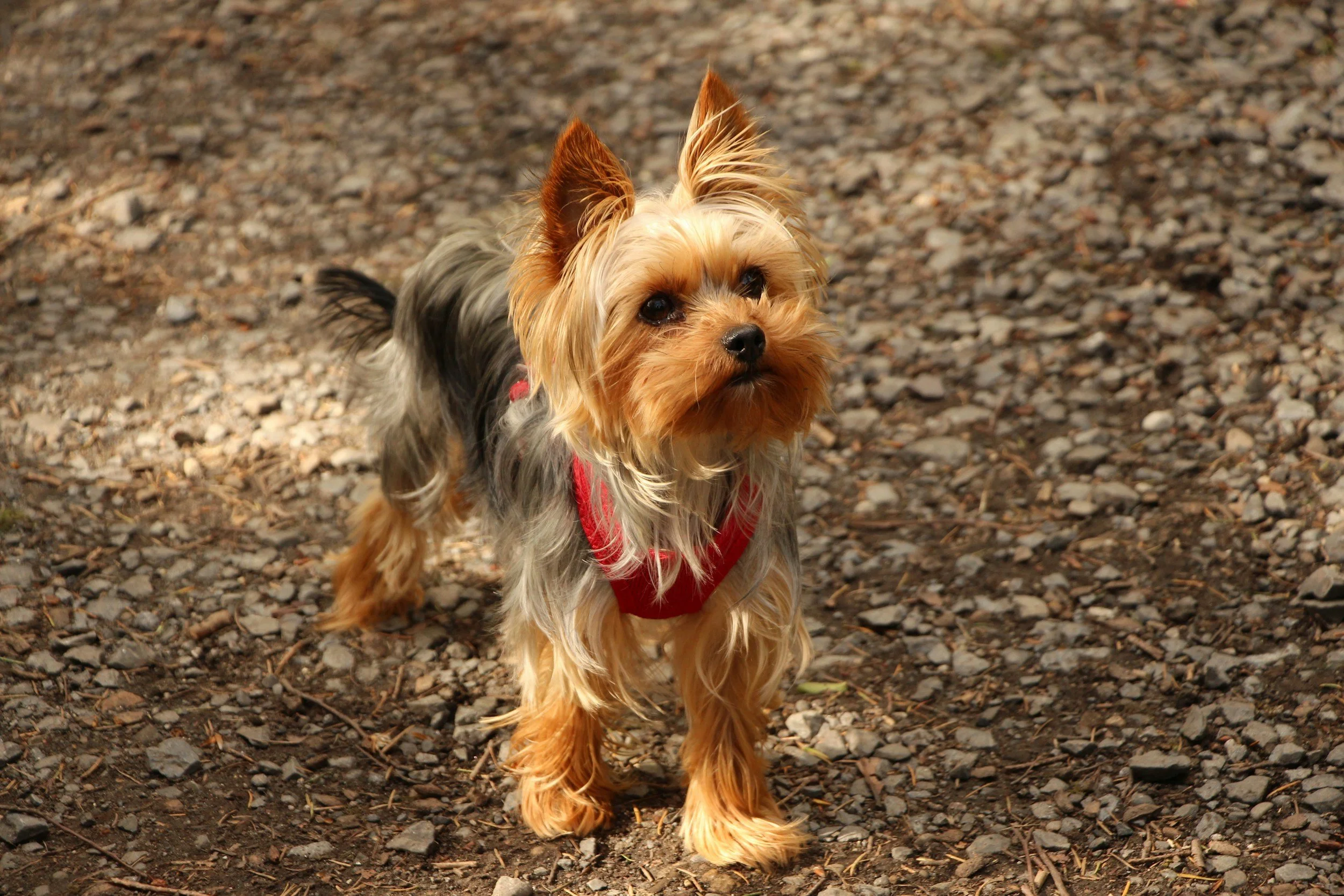
Yorkshire Terriers, Irish Setters and Afghan Hounds do not have an undercoat. Their glossy coats, when grown long, are elegant as they move.
Daily care of combing and brushing is needed to reduce tangles.
Working Cocker and Springer Spaniels have an undercoat. Hand stripping is suited to these breeds, although the trend is to clip the coat.
Caring for your dog's coat
Start by working out which of the coat types above your dog has — it is the single most useful thing an owner can know about coat care.
Wool coats need frequent, thorough brushing and combing right down to the skin to stay knot and mat free. Wire and double coats keep their texture best when the dead top coat is removed by hand rather than clipped. Silky single coats need daily combing and brushing to reduce tangles.
Regular, little-and-often coat care is far kinder than occasional heavy sessions, and it also gives you a chance to check the skin underneath.
Getting a puppy used to being handled, brushed and combed early on makes all future coat care much easier — something we cover in puppy training.
Before & after
Examples from Sunnie's grooming work, showing how different coats look before and after care

Before

Shih Tzu
After

Before

After
Dandie Dinmont — Roy

Before

Covid lockdown coat
After

Before

After
Silky coat — Ruby

Before
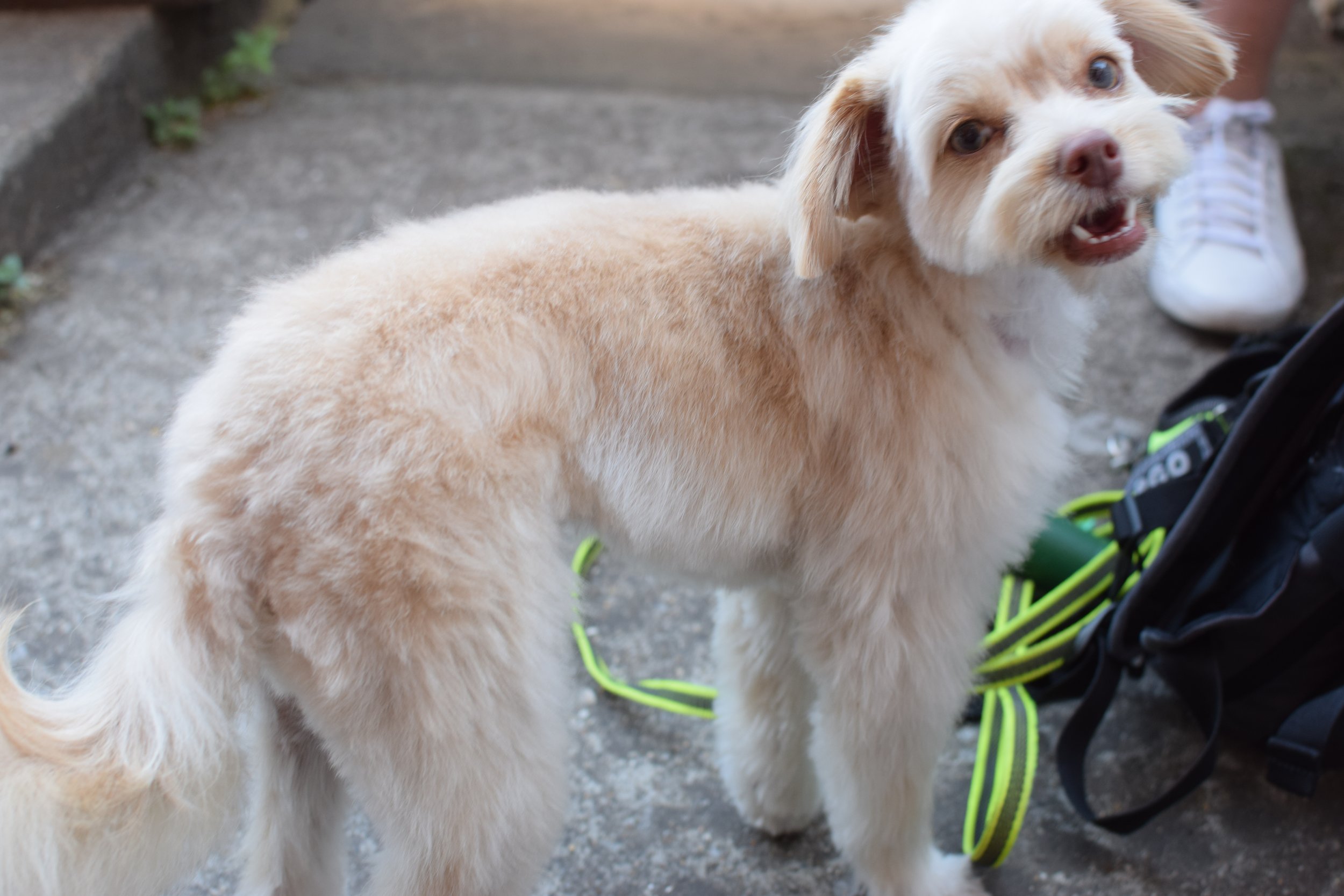
Argo
After

Before

After
Luna
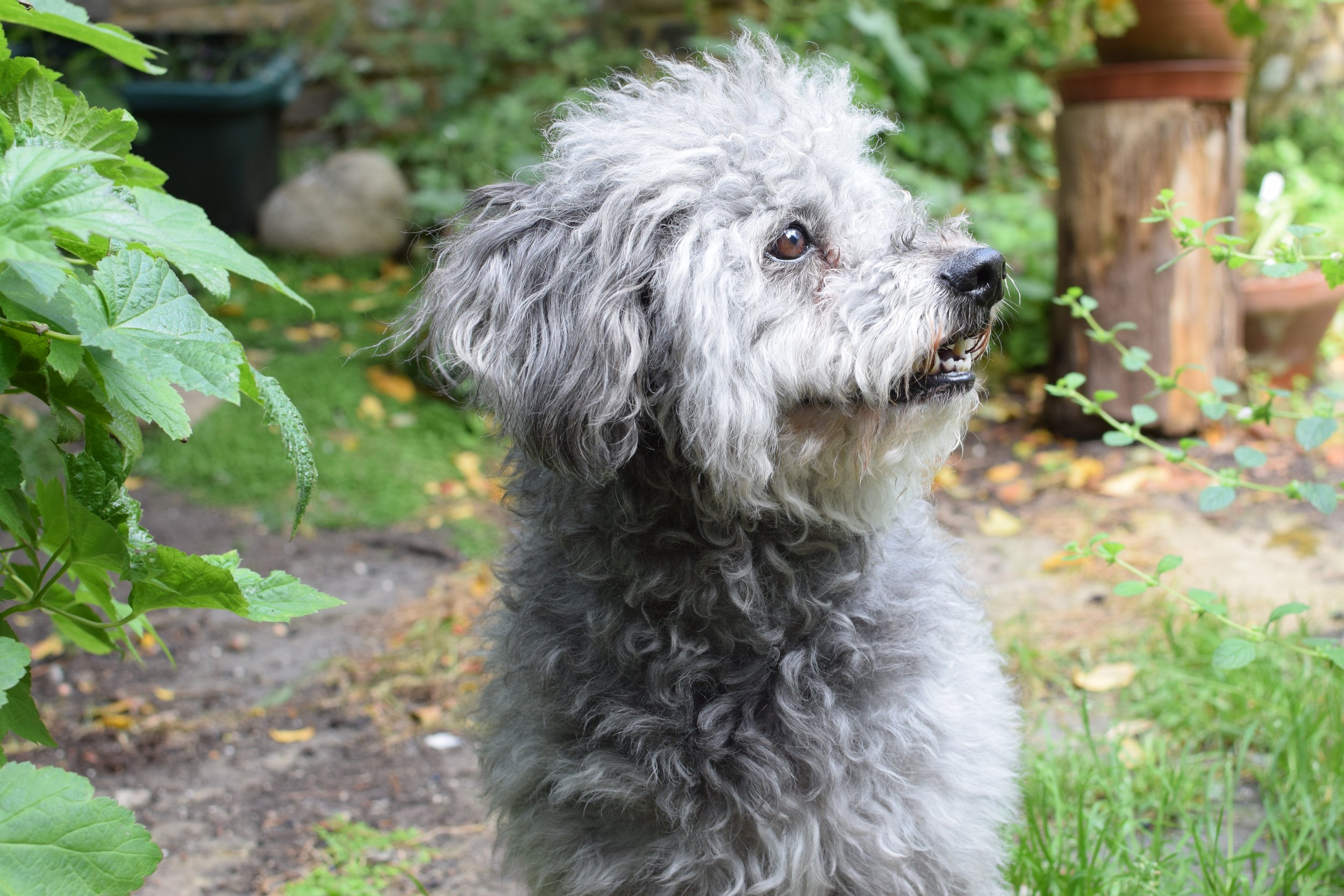
Before
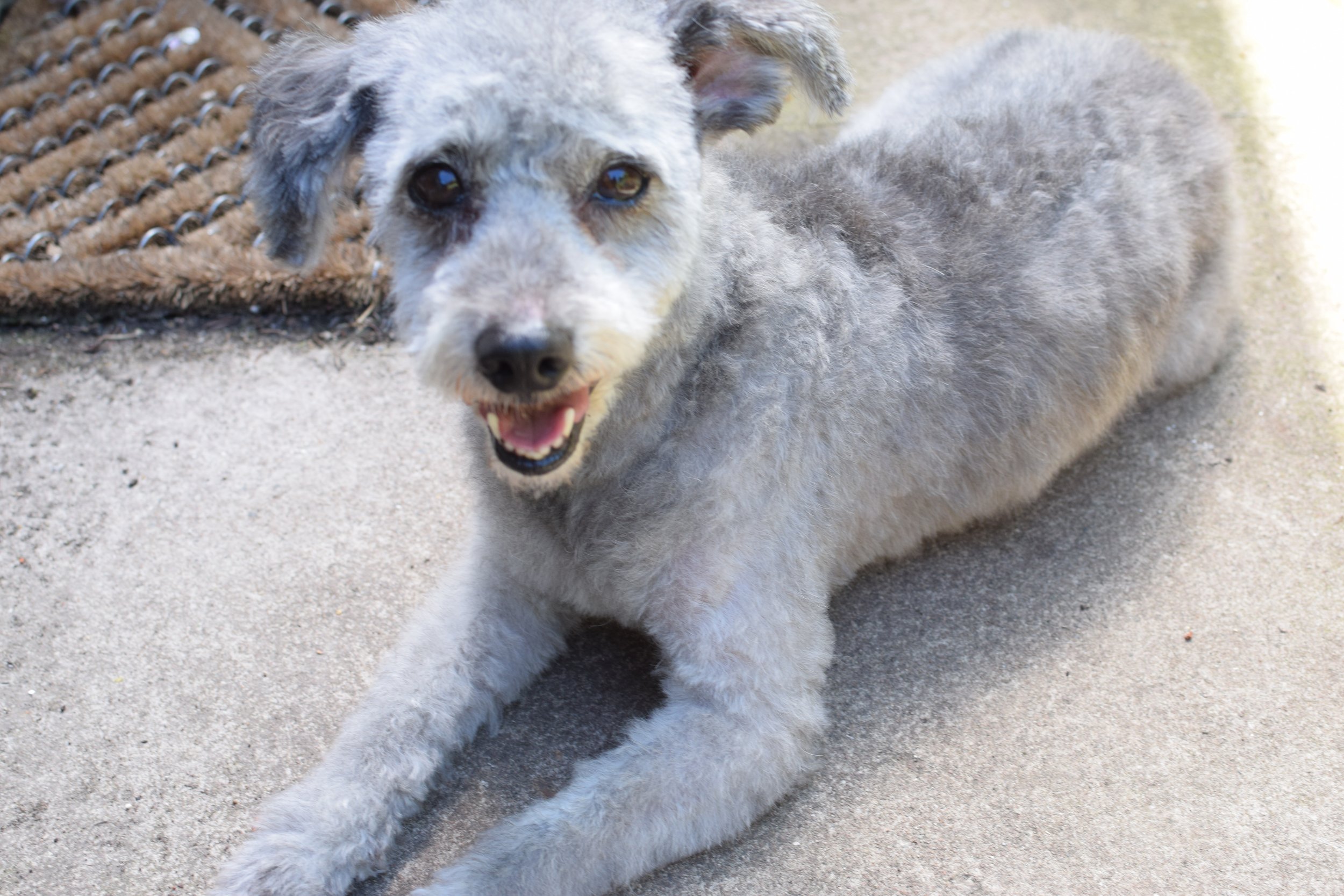
Terrier
After
Coat care questions
-
It can. Clipping wool coats changes the texture and colour of the coat over time, and clipping wire coats makes them soft over time.
-
Gently taking away the dead top coat by hand so that the body hair lies flat, allowing the undercoat to become the top coat.
-
Please visit your vet for advice about parasites before going to a groomer.
Questions about your dog's coat?
Sunnie is happy to talk through coat types and everyday coat care.