
Jemma Gascoigne
There are trainers of dogs who train in specific skills. Jemma Gascoigne is a committed trainer who has dedicated her time to training her Bull Herders. I first met Jemma in 2023 when she took part in the fundraising event The Dog Olympix to show the breed and demonstrate her handling skills.
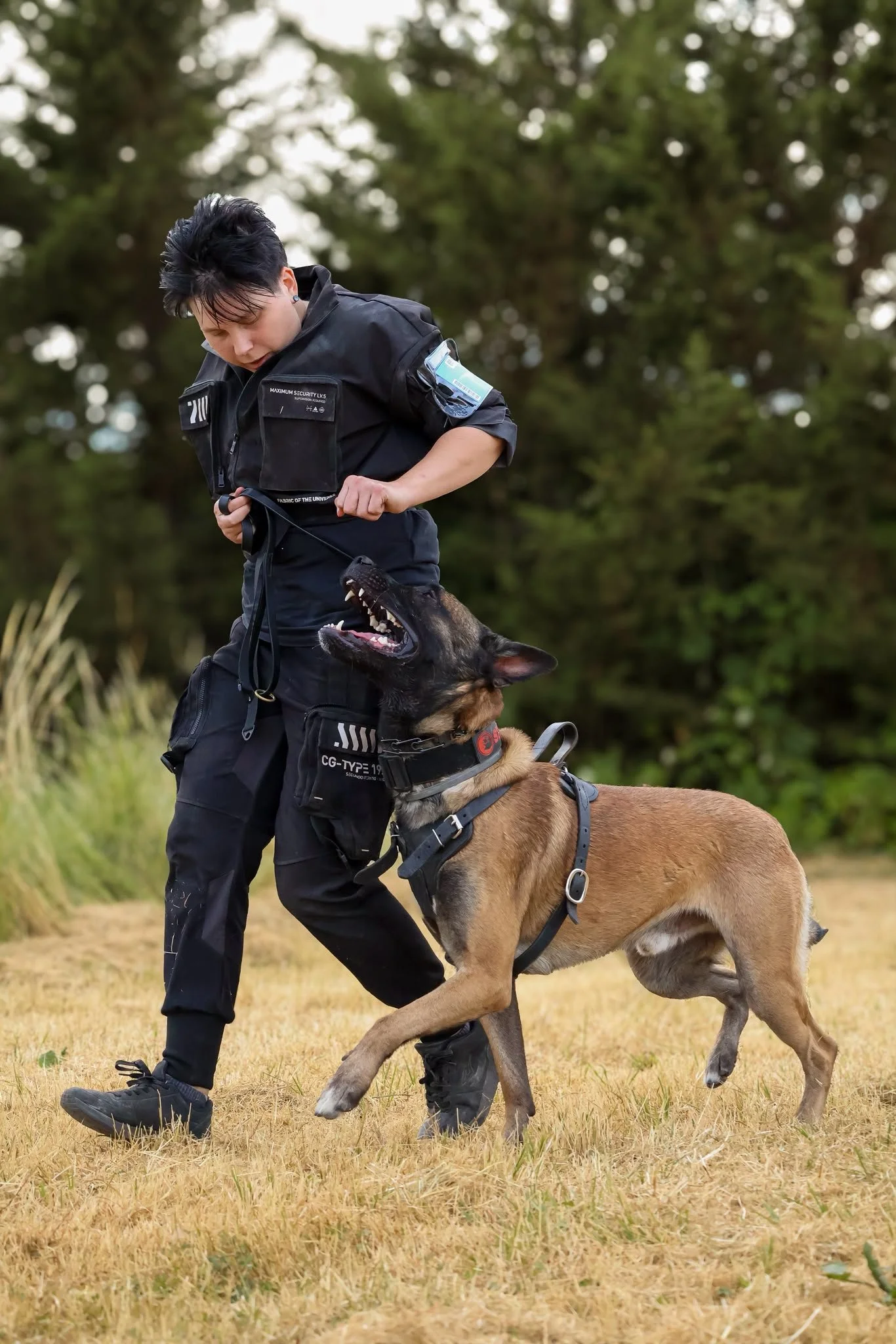
Jemma also attended the Archway Dogs puppy classes to help underpin her knowledge in obedience training and to shadow me as the instructor. I often recommend her to my clients who own Guarding working breeds such as Malinois, Rottweilers or Dobermans or any dog that needs to do this type of further training outside of the work I offer after their fundamental puppy obedience training. Here’s my chat with Jemma.
1.Sunnie: Hi Jemma, please tell us why you chose to work with this breed?
Jemma: As a domestic violence survivor, I wanted a dog for protection from an abusive ex-partner. I got Valkyrie, a bull herder as a puppy at 4 months of age. Valkyrie comes from the Royal Dutch Police line K9PV. Across the two years of her life, from puppy to Juvenile to young dog, I studied the STS K9 – Specialised Training System, in fundamental obedience. I also wanted to train her in protection sports and went to various trainers who specialise in this field. I enjoyed training Valkyrie so much, I realised I wanted to work with this breed and to turn it into a career.
2.Sunnie: How long has it taken you to qualify to do this type of training and what are your accreditations to date?
Jemma: Most of the training in this type of work is ongoing. Accreditations take time to achieve to meet the grades and the dog has to mature and bond with the handler. I am currently on the Master View Path – STS K9 MVP. I’m working on NASDU – National Association of Security Dogs’ levels 1 – 3. Part of my SIA Security Training involves ACT – Action Counters Terrorism, for my work amongst the public. With SIA, under the body of Highfields qualifications, I’ve completed 2 levels and am working on the 3rd level with my other dog Kratos, Valkyries son, to do close protection work. There’s a lot to cover, this goes across 3-5 years. I’m also a first aider.
3.Sunnie: How do you use your dogs in your daily work?
Jemma: Most of the time, the dogs are a deterrent. 99% of the time, there is no bite work. By law, it needs to be equal force, so if I’m threatened with a weapon and attacked as a certified handler, I can allow the dog to bite only for protection against the force used against me if the attacker has struck me. Up to that point, it’s just intimidation and deterring the incident from escalating. Most of the time, my work is patrolling and just being visible.
4.Sunnie: What are the daily training methods you use?
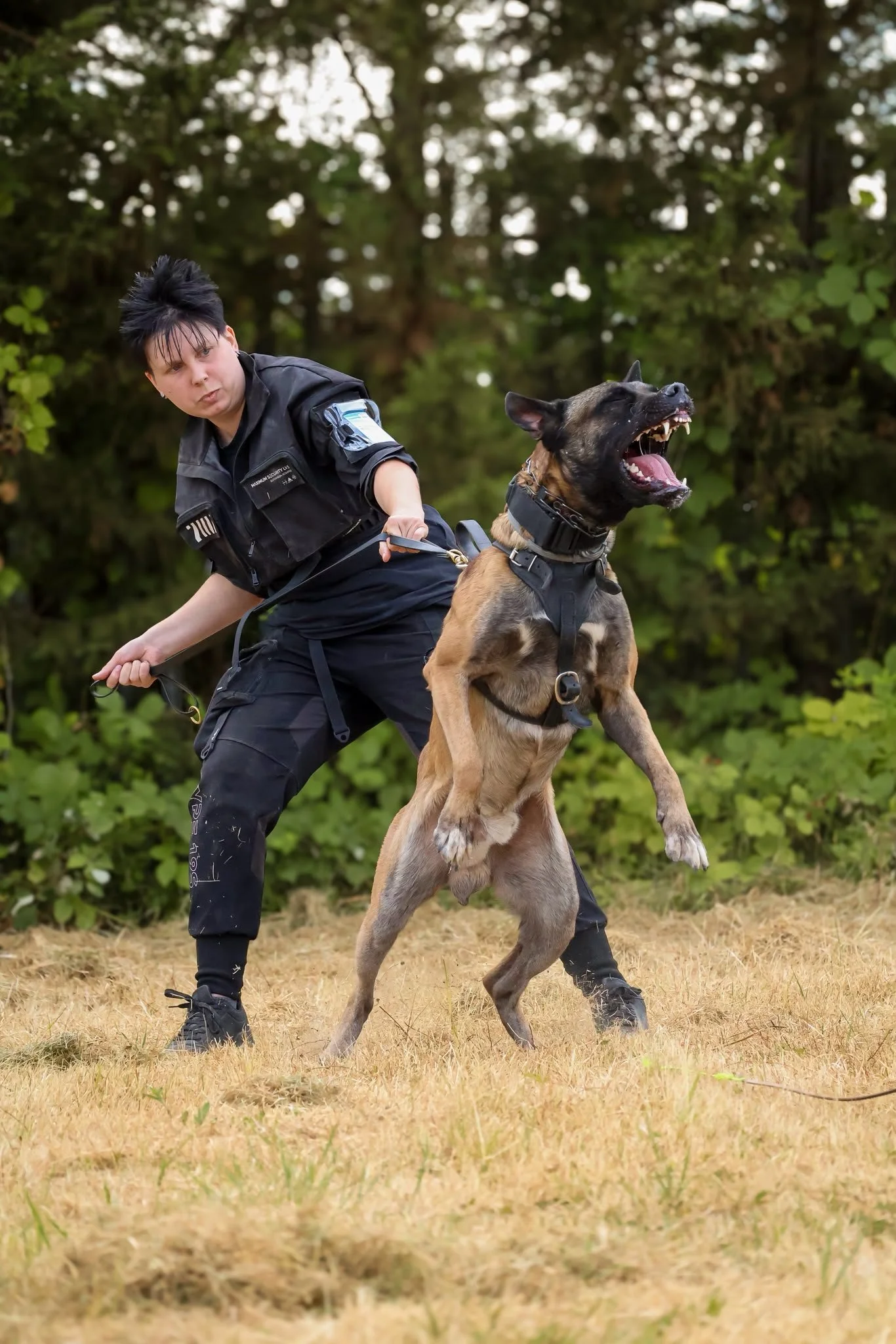
Jemma working with Kratos, one of her Bull Herders
Jemma: I use positive training in the obedience work, rewarding with play and food. I need to get the dogs to be non-reactive to sudden bangs, loud noises and crowds of people. So I expose them to that from an early age. I train or 5 minutes per day with each dog and then once a week, for the whole day, I visit a specialist trainer in bite work, who wears a protective suit for bite work and has the equipment and a field area to work in with various obstacles such as old tractor and car tyres, scrapped vehicles, ramps and gangways, tunnels and fences. The dog is trained to go through, over or under any obstacle presented and it’s not for the faint hearted, because as the handler, you have to keep up with the dog.
5.Sunnie: What does this breed need to be happy?
Jemma: The dog must have an excellent relationship with the handler with clear communication and lots of activity throughout the day. This is not a breed for couch potatoes. Their daily diet must contain raw meat such as chicken, or rabbit and bones to gnaw on with a high quality dried food.
6.Sunnie: What types of owners can own these breeds and why?
Jemma: The type of owner should be physically healthy with strong muscle strength. The owner must have a daily consistent approach to training and exercise and be able to set clear boundaries as a leader. If you own this breed, you must be willing to travel far to seek the skills pf professionals in training and invest time in the dog. This dog is suited preferably to someone who works in the security industry or the army, so they understand the needs of their breed as a working dog.
7.Sunnie: Which types of owners should not own these breeds and why?
Jemma: People who are heavy handed, abusive, lazy, too rough and poor communicators. This breed are not pet dogs, not for the majority. If anyone wishes to own a Bull Herder or Malinois, they should look for a dog coming from the show line, not the working line.
Working line puppies are extremely active and tend to bite. They often like to hang of your clothes, swinging from your arms or your legs. That’s why the bite work training is essential, to teach them when to let go on command. With Juvenile dogs, as they mature, each dog is treated as an individual, they are trained differently based on their characteristics.
Herders are prone to resource guarding, so the training is based on abundance, not scarcity. There are always more toys. Bull herders are taught to give up high value items, without discouraging guarding behaviours.
8.Sunnie: Is there anything else we need to know as owners of this breed?
Jemma: Working with Bull Herders and Malinois requires complicated methods of training. These dogs are not for the average family with children. Parents are not always vigilante to train their children, let alone their dogs! These dogs should never be owned by inexperienced young people, particularly men, who only wish to use them as a weapon or have them as a status symbol.
Thank you Jemma for this insight into your work with this demanding breed of dog and we wish you all the best for your future.
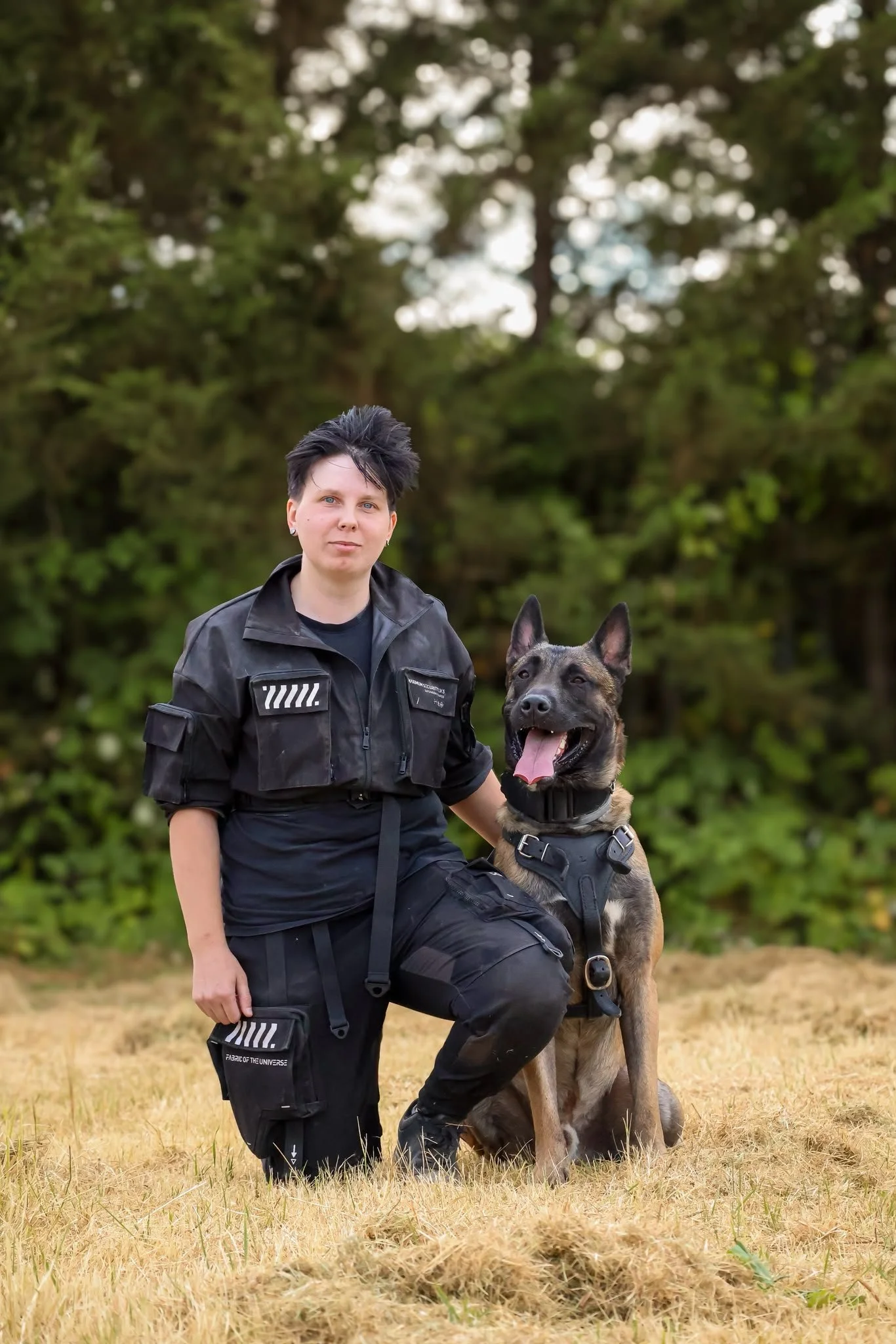
If you’d like to see more of Jemma’s work or contact her for training, here’s her Instagram: https://www.instagram.com/valhallak9/